Sometimes brushing is not enough, especially when it comes to those hard-to-reach spots in your child’s mouth. It is difficult for a toothbrush to get in between the small cracks and grooves on your child’s teeth. If left alone, those tiny areas can develop tooth decay. Sealants give your child’s teeth extra protection against decay and help prevent cavities. Our sealants do not contain Bisphenol A, Bis-GMA, or BPA derivatives.
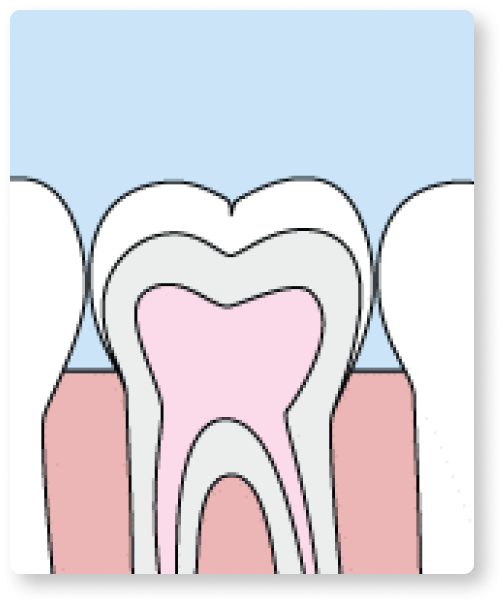

Sealants dental services involve the application of dental sealants, which are thin protective coatings, to the chewing surfaces of the back teeth (molars and premolars). This preventive dental procedure aims to reduce the risk of cavities by sealing off the deep grooves and pits on these surfaces, where food particles and bacteria tend to accumulate. Sealants create a smoother, easier-to-clean surface that helps prevent the development of decay.
Here’s an overview of sealants dental services:
1. **Evaluation:** A dentist assesses the patient’s dental health, paying special attention to the condition of the molars and premolars. These teeth have natural grooves and fissures that can trap food and bacteria, making them more susceptible to cavities.
2. **Cleaning:** Before applying sealants, the teeth are thoroughly cleaned to remove any debris, plaque, or tartar.
3. **Isolation:** The teeth are isolated and dried to ensure that the sealant material adheres effectively.
4. **Application:** The dental sealant material, often a liquid resin, is applied to the chewing surfaces of the molars and premolars. The material flows into the grooves and fissures, effectively sealing them.
5. **Curing:** To harden the sealant, a special curing light is used to bond the material to the tooth enamel.
6. **Evaluation:** The dentist checks the sealants to ensure proper placement and bonding. Adjustments can be made if necessary.
Benefits of sealants dental services:
– **Cavity Prevention:** Sealants act as a barrier, preventing food particles, plaque, and bacteria from getting trapped in the deep grooves of teeth and causing cavities.
– **Early Prevention:** Sealants are often applied to children’s permanent molars as soon as they come in, providing protection during the most cavity-prone years.
– **Minimally Invasive:** The application of sealants is a simple, painless, and non-invasive procedure that doesn’t require any drilling or removal of tooth structure.
– **Longevity:** Sealants can last for several years with proper oral hygiene and care, providing continuous protection against cavities.
– **Cost-Effective:** Applying sealants is a cost-effective preventive measure that can help avoid the need for more extensive dental treatments in the future.
– **Suitable for All Ages:** While commonly applied to children, sealants can also benefit adults who have deep grooves in their molars and are at risk of developing cavities.
Sealants are especially beneficial for children who are still developing their oral hygiene habits and might have difficulty thoroughly cleaning the deep grooves on their molars. However, adults can also benefit from sealants if they have teeth with deep fissures that are prone to cavities.
Dental sealants, combined with regular dental check-ups, proper oral hygiene practices, and a balanced diet, contribute to maintaining a healthy smile and preventing cavities.