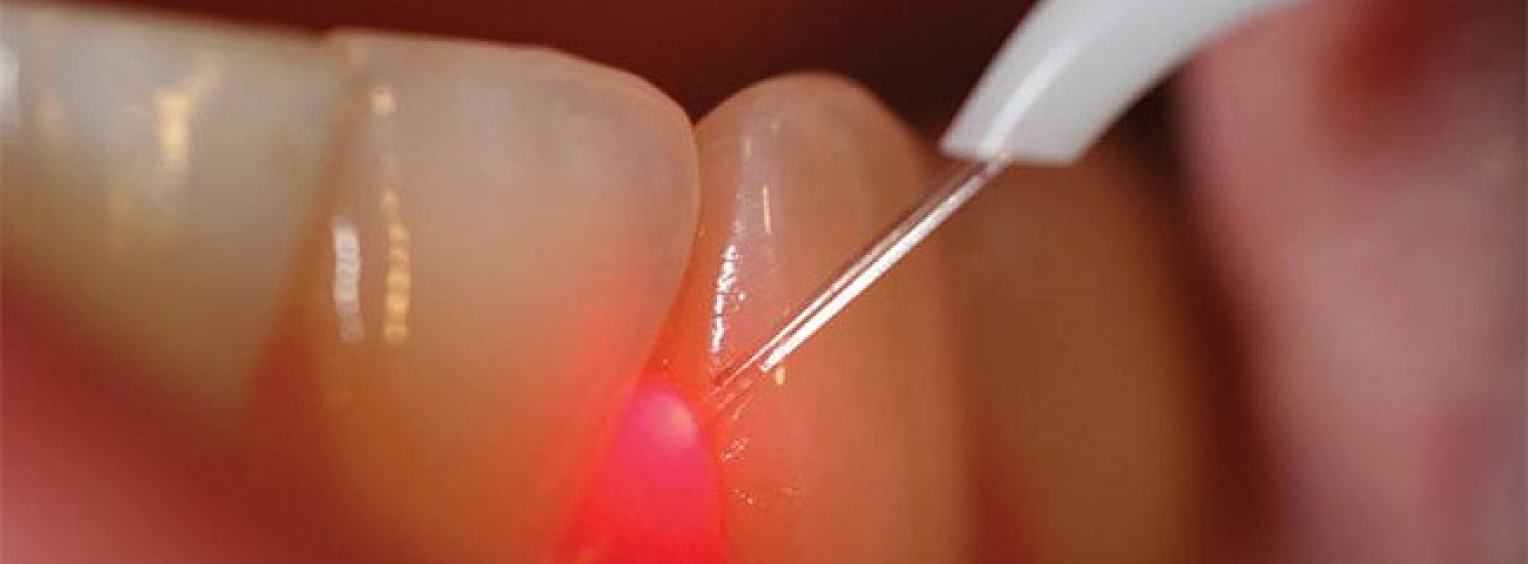
Tooth laser treatments, also known as laser dentistry, are advanced dental procedures that utilize focused light energy to perform a variety of dental treatments with enhanced precision and reduced discomfort. Dental lasers have gained popularity for their ability to offer minimally invasive alternatives to traditional methods, often resulting in faster healing times and less post-procedure discomfort.
Here are some common applications of tooth laser treatments:
1. **Cavity Detection:** Laser technology can be used to detect early stages of tooth decay that might not be visible to the naked eye. This early detection allows for timely intervention and conservative treatment.
2. **Gum Disease Treatment:** Dental lasers can target and remove infected gum tissue while promoting the regeneration of healthy tissue. This is particularly useful in treating gum disease and promoting gum health.
3. **Cavity Preparation:** Lasers can precisely remove decayed tooth structure in preparation for a filling, often without the need for anesthesia or the noise associated with traditional drills.
4. **Soft Tissue Procedures:** Dental lasers are used for procedures like gum reshaping, crown lengthening, and frenectomy (removal of tissue that restricts tongue movement). These procedures can enhance the appearance of the smile and address functional concerns.
5. **Teeth Whitening:** Laser-assisted teeth whitening treatments accelerate the activation of whitening agents, leading to quicker and potentially more effective results.
6. **Root Canal Therapy:** Lasers can disinfect and clean the root canals during root canal treatment, helping to remove bacteria and reduce the risk of infection.
Benefits of tooth laser treatments:
– **Minimally Invasive:** Lasers can often treat dental issues without the need for traditional surgical techniques, leading to less tissue damage and quicker recovery times.
– **Precision:** Dental lasers target specific areas with high precision, minimizing damage to surrounding healthy tissue.
– **Reduced Discomfort:** Laser procedures can cause less pain, reducing the need for anesthesia in some cases.
– **Reduced Bleeding:** The laser’s ability to seal blood vessels as it works can lead to less bleeding during and after procedures.
– **Sterilization:** Lasers have a sterilizing effect, reducing the risk of infection during and after procedures.
– **Anxiety Reduction:** For patients who are anxious about dental procedures, the reduced noise and vibration of lasers can make treatments more tolerable.
It’s important to note that while dental lasers offer numerous benefits, they may not be suitable for all procedures or patients. The decision to use lasers will depend on the dentist’s assessment of the patient’s specific needs and the nature of the dental issue.
If you’re considering tooth laser treatments, consult with your dentist to determine whether this advanced technology is appropriate for your dental needs and preferences.